
Home / The Anatolian leopard
The Anatolian leopard
Our social responsibility project: making sure the Anatolian leopard is not forgotten.
On this page we have brought together answers to the most frequently asked questions about the Anatolian leopard (also known as the Persian leopard), current figures, and links to the sources we trust.
Why the Anatolian leopard?
Anatolia is home to the oldest known monumental structures of humankind (Göbekli Tepe) and to one of the first large settlements (Çatalhöyük). Many beliefs and civilisations developed on this land.
The leopard is an animal of this land too. Science first came to know it from Anatolia, and it takes its name from here.
We count being sensitive to animals as one of our six measures. We wanted to give that measure a face, and we chose the least known and most threatened inhabitant of Anatolia. Our aim is to keep awareness of it alive.
What you may want to know about the Anatolian leopard
What is the Anatolian leopard?
The Anatolian leopard is the subspecies of leopard that lives in Western Asia. Its scientific name is Panthera pardus tulliana. In Türkiye it is called pars, Anadolu parsı (Anatolian leopard) or Anadolu leoparı; “pars” and “leopar” are two Turkish words for the same animal.
Is the Anatolian leopard extinct?
No. The leopard killed in Beypazarı in 1974 was thought to be the last individual in Türkiye. In later years it was recorded again by camera traps. The subspecies is listed as “Endangered” (EN) on the IUCN Red List.
How many Anatolian leopards are there in Türkiye?
According to monitoring results announced in November 2024, the number of known individuals in Türkiye is around 10. They are monitored with about 400 camera traps. All of the individuals recorded clearly are male; females and cubs are still being looked for. Because leopards can cross the borders with Iran and the Caucasus, an exact number cannot be given.
How many Anatolian leopards are left in the world?
According to the IUCN Cat Specialist Group, between 750 and 1,044 individuals live in the wild; 450 to 626 of them are mature. Up to 83 per cent of the population is in Iran.
Source: IUCN Cat Specialist Group
Where does the Anatolian leopard live?
It lives in mountainous regions stretching from Türkiye to the Caucasus, Iran, Turkmenistan, Afghanistan and Pakistan. It prefers rocky slopes, mountain steppes and sparse forests between 600 and 3,800 metres. In Türkiye it has been recorded in the Western Mediterranean, the Aegean, the Eastern Black Sea, and Eastern and South-eastern Anatolia.
Source: Wikipedia (English), TRT Haber
Does the Anatolian leopard live only in Anatolia?
No. Science first came to know this leopard from Anatolia in 1856 and named it after the region. The classification made in 2017 accepted that the leopards in the Caucasus and in Iran are the same subspecies. For this reason, international sources mostly refer to the same animal as the Persian leopard.
Where does the name “tulliana” come from?
From the Roman statesman Marcus Tullius Cicero. In 50 BC, when Cicero was governor of Cilicia, he was asked to send leopards from the Kibyra area for the games in Rome. The French zoologist Achille Valenciennes used this name when he described the animal in 1856.
Source: Wikipedia (English)
How big is the Anatolian leopard?
Its average body length is about 158 centimetres and its tail is about 94 centimetres. It weighs up to 60 kilograms. Its fur is a pale, greyish shade with a slight reddish tinge.
Source: Wikipedia (English)
What does the Anatolian leopard eat?
Its main prey are wild goat, wild sheep, chamois, roe deer and wild boar. It also hunts hare and porcupine.
Source: Wikipedia (English)
Why has the Anatolian leopard declined?
The main reasons are: killing because of conflict with livestock farming, poaching, the decline of prey animals, deforestation, and the fragmentation of its habitat by roads. Today the subspecies lives in only 16 to 28 per cent of its historical range.
The Anatolian leopard in figures
How many leopards live in each country?
Estimated number of individuals. The dark section shows the lower estimate, the light section the upper estimate.
Show the table
| Country | Estimated number of individuals |
|---|---|
| Iran | 550–850 |
| Pakistan | 130–178 |
| Turkmenistan | 60–80 |
| Azerbaijan | 8–19 |
| Türkiye | 10 |
| Iraq | 9 |
| Armenia | 3–9 |
| Russia | 6 |
| Kazakhstan | 0–5 |
| Georgia | 1 |
Source: Wikipedia (English), 2022 country estimates. Figure for Türkiye: TRT Haber, November 2024.
The country estimates are based on different years and sources; their total does not match the world estimate (750–1,044) exactly.
Why are leopards dying?
Causes of death of the 71 leopards found dead in Iran between 2007 and 2011.
Source: Wikipedia (English) and the field study cited there. The “Other” share is the remainder.
The Anatolian leopard in photographs
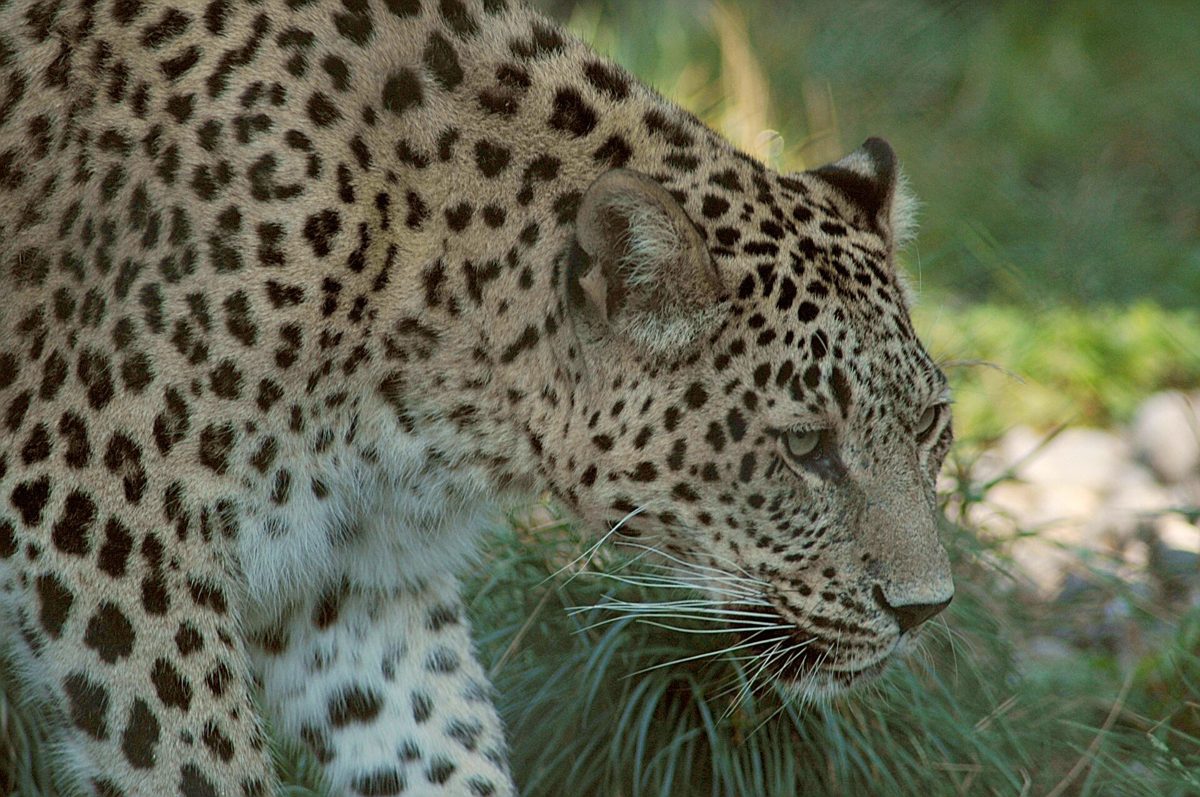

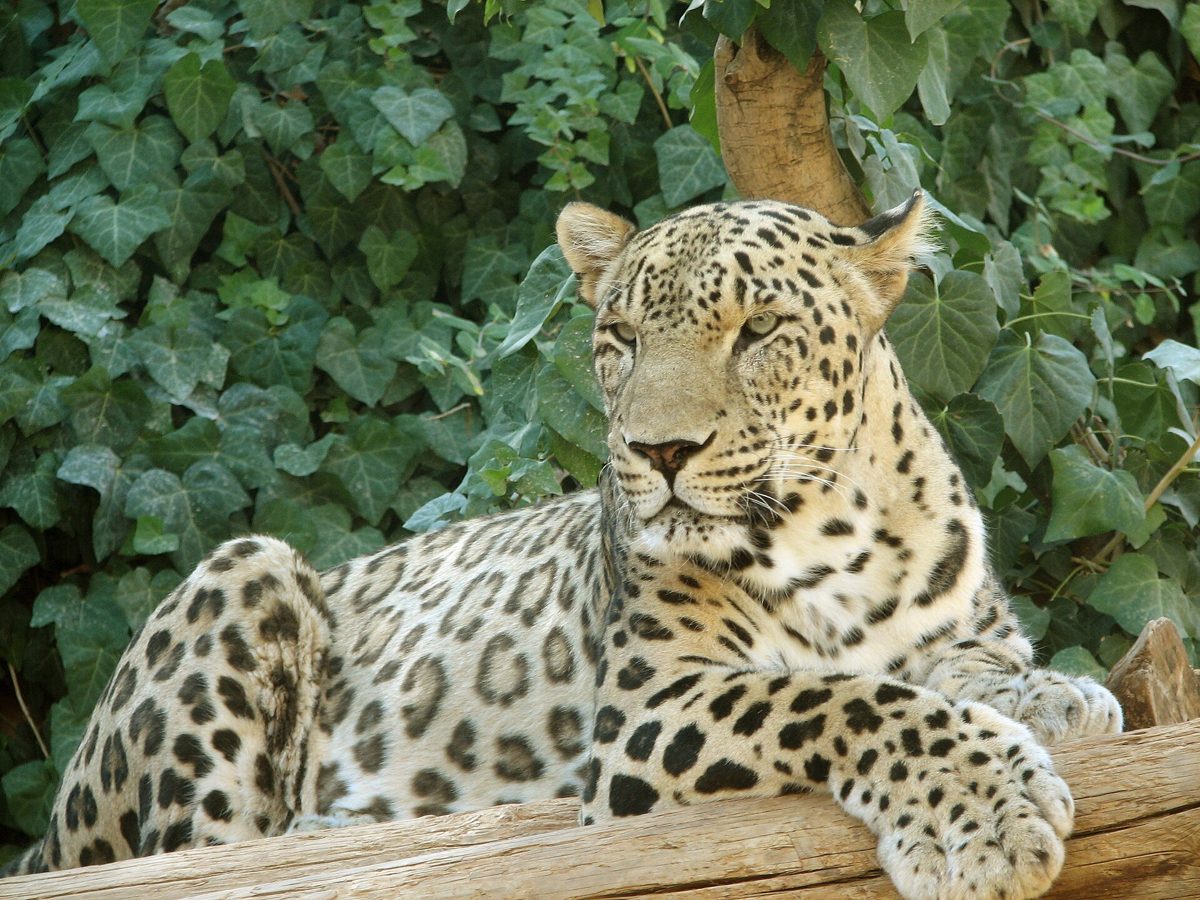

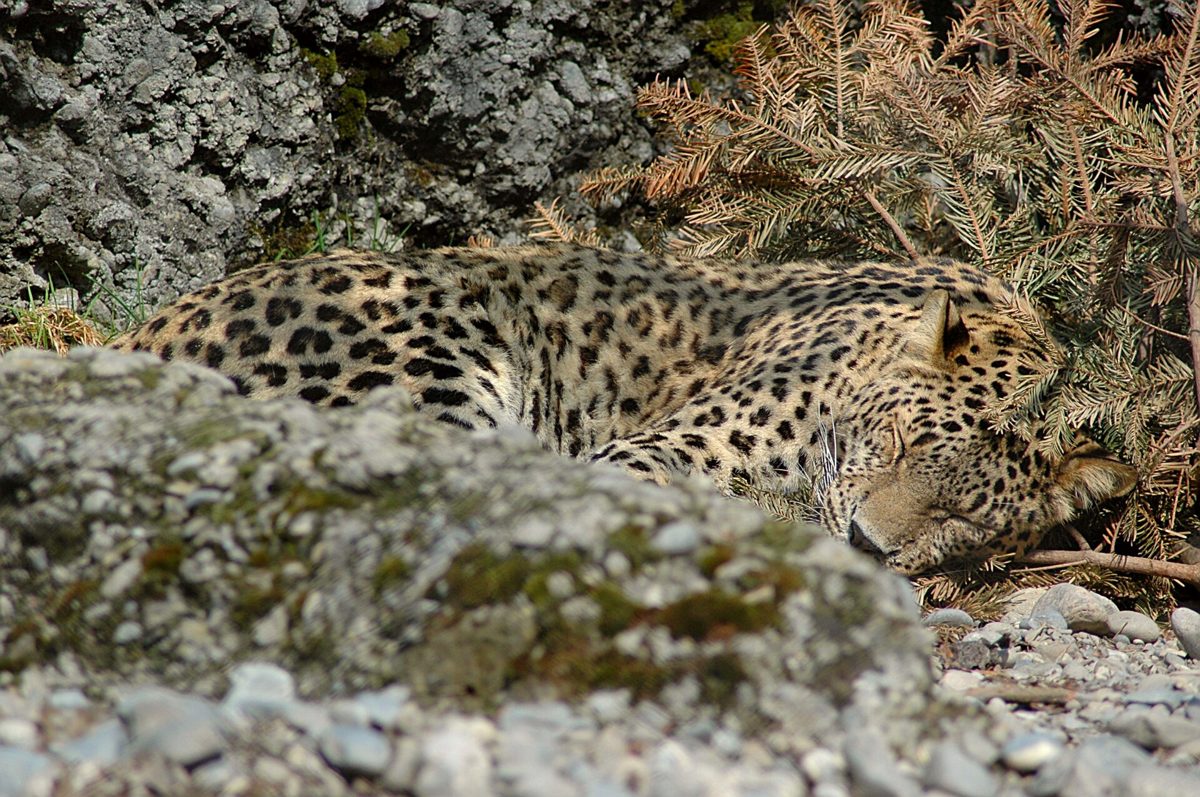

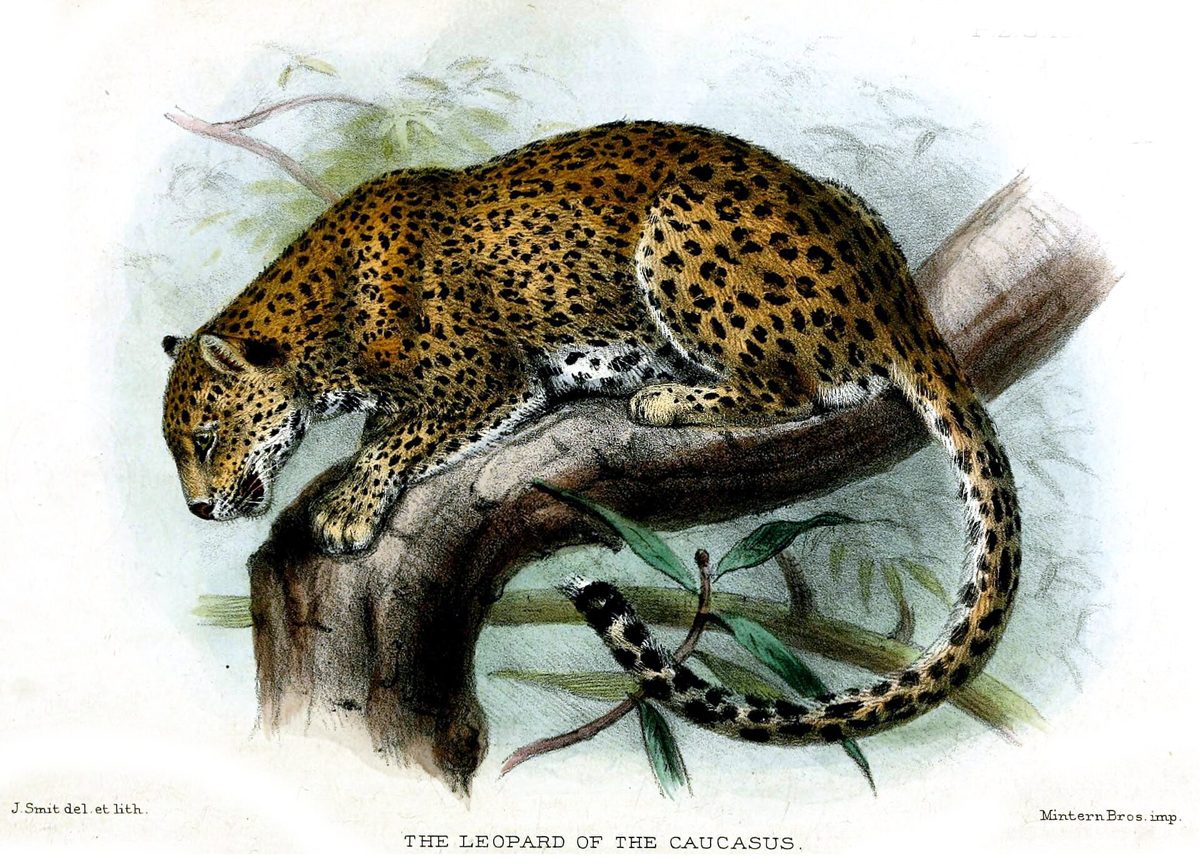

The leopards in the photographs are individuals of the same subspecies living under protection; they are not images taken in the wild in Türkiye.
Its story in Türkiye
Marcus Tullius Cicero, governor of Cilicia, is asked to send leopards from the Kibyra area for the games in Rome. The “tulliana” in the leopard's scientific name comes from his name.
The French zoologist Achille Valenciennes examines a leopard hunted near İzmir and introduces the animal to science.
Leopards, once widespread between the Aegean and Antalya, decline rapidly because of deforestation, road building and hunting.
A leopard is killed in the Beypazarı district of Ankara. For many years it is thought to have been the last individual in Türkiye.
With the reclassification of the cat family, the leopards of the Caucasus and Iran are also brought together under the name Panthera pardus tulliana.
Teams from the General Directorate of Nature Conservation and National Parks record a leopard on a camera trap in the Western Mediterranean region.
In monitoring carried out with about 400 camera traps, the number of known individuals in Türkiye reaches around 10.
The Ministry of Agriculture and Forestry shares new camera trap footage.
Source: Ministry of Agriculture and Forestry, TRT Haber, Wikipedia (English).
Our sources
The places where we found the information on this page and where you can read more.
Conservation status and population
Monitoring work in Türkiye
- Ministry of Agriculture and Forestry (Tarım ve Orman Bakanlığı): Anadolu parsının yeni görüntüsü (new footage of the Anatolian leopard, 22 May 2025)
- General Directorate of Nature Conservation and National Parks (Doğa Koruma ve Milli Parklar Genel Müdürlüğü): Anadolu parsını korumaya ve izini sürmeye devam edeceğiz (We will continue to protect and track the Anatolian leopard)
- TRT Haber: Türkiye'de 10 Anadolu parsı görüntülendi (10 Anatolian leopards recorded in Türkiye, 25 November 2024)
- Hürriyet: 400 fotokapanla izleniyorlar (They are monitored with 400 camera traps, 25 November 2024)
Scientific publications
- Karataş et al. (2021): Camera trap records confirm the survival of the leopard in eastern Turkey
- Sarı et al.: Habitat preference by the Anatolian leopard in north-eastern Anatolia
- Oryx journal: Leopards in western Turkey
- Oryx journal: Does the leopard still exist in the Eastern Karadeniz Mountains of Turkey?
What are we doing?
This page is our first step. We have chosen the Anatolian leopard as our company's social responsibility cause, and we will make it visible on our website, in our presentations and in our communications.
As we take the next steps, we will announce them on this page.
Page last updated: 9 October 2026.